How Cold Chain Logistics Keeps Pineapples Fresh During Shipping
When you buy a pineapple in the UAE, it’s hard to imagine the journey it made from a farm in Cameroon. These fruits travel thousands of miles, crossing climates and borders. Yet, when they arrive, they are juicy, sweet, and ready to eat. The secret behind their freshness is cold chain logistics—a system that keeps pineapples at the right temperature from farm to market. This process is especially important for companies like Prime Harvest FZE, who connect West African growers with UAE businesses and demand top quality for their clients.
Why Pineapples Need Cold Chain Logistics
Pineapples are tropical fruits that spoil quickly if not handled properly. After harvest, they continue to ripen, and without cooling, they can lose flavor, texture, and nutrients. At room temperature, pineapples can last only 2–3 days before they start to rot.
With cold chain logistics, their shelf life extends to 14–20 days, giving importers, wholesalers, and retailers more time to deliver and sell.
The main reasons for using cold chain logistics are:
- Reducing decay: Lower temperatures slow down bacteria and mold.
- Preserving flavor: Cooling prevents loss of sweetness and aroma.
- Maintaining nutrients: Vitamins and antioxidants remain stable longer.
- Preventing bruising: Controlled storage keeps pineapples firm.
A cold chain system requires precise coordination, as one weak link can ruin the fruit.
Steps In The Pineapple Cold Chain
Every pineapple shipped by Prime Harvest FZE follows a strict cold chain. Here’s how it works:
1. Harvesting And Pre-cooling
Pineapples are picked at their peak ripeness in Cameroon’s volcanic farms. Within hours, they are moved to a cooling facility. Pre-cooling brings the fruit temperature down to 10–12°C. This step is critical—if delayed, pineapples may sweat and develop spots.
2. Packing And Storage
After cooling, pineapples are packed in ventilated cartons. They are stored in refrigerated rooms at 10°C. These rooms have sensors to monitor humidity and temperature, ensuring consistency.
3. Transport To Port
Pineapples are loaded into refrigerated trucks for the journey to Douala port. The trucks’ cooling systems keep the temperature stable, even if outside weather is hot or humid.
4. Container Loading
At the port, pineapples are transferred to reefer containers—special shipping containers with built-in refrigeration. Each container is set to the optimal range (10–12°C) and humidity (85–90%).
5. Sea Shipping
The voyage from Cameroon to the UAE takes about 18 days. Reefer containers run nonstop, powered by the ship’s energy supply. Pineapples are checked at intervals to ensure no temperature spikes.
6. Arrival And Distribution
On arrival in Sharjah, containers are unloaded quickly. Pineapples are moved to Prime Harvest’s cold storage, then sent to UAE clients by refrigerated delivery vans. This keeps the cold chain unbroken until the fruit reaches retailers or food service partners.
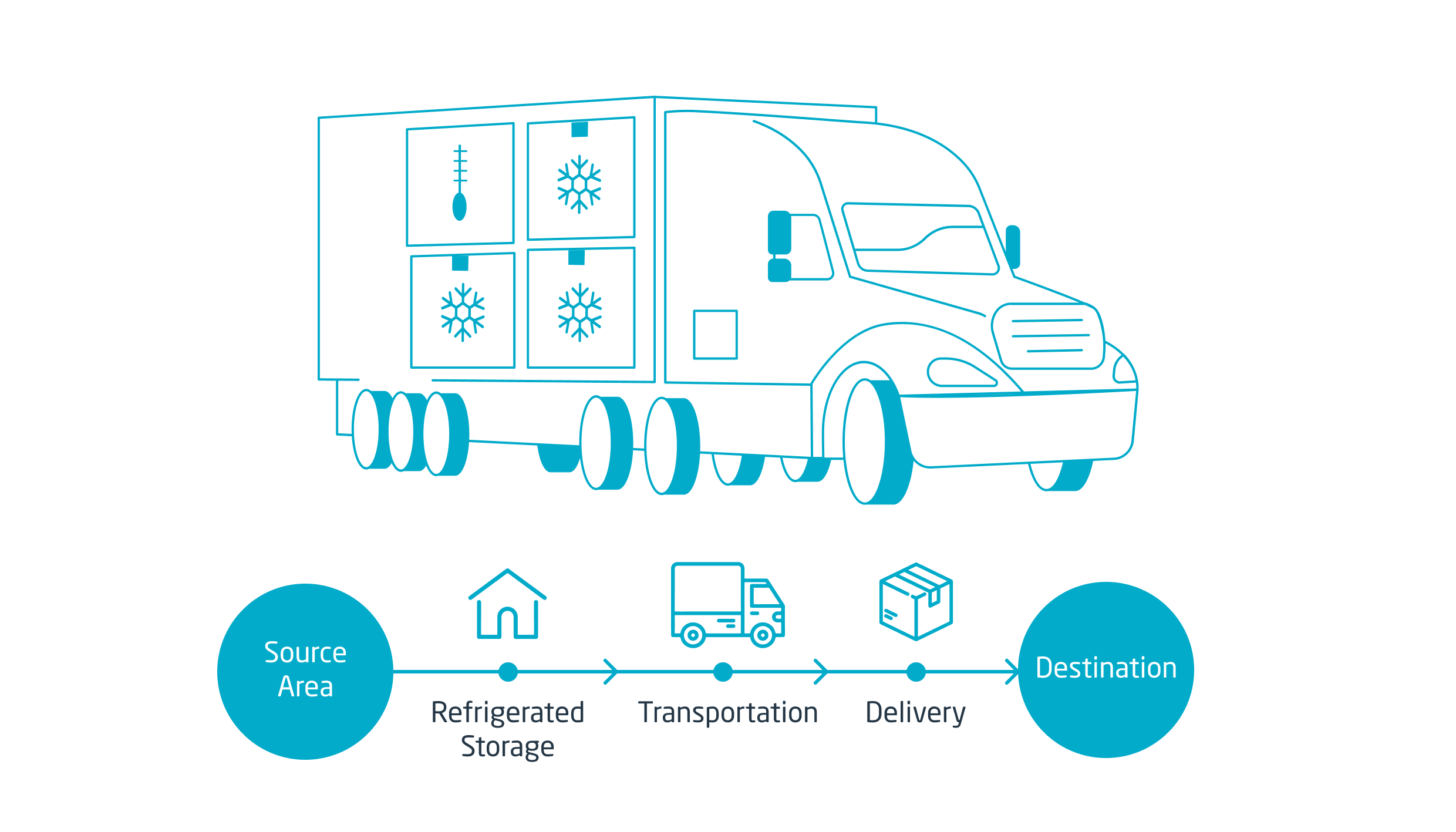
Credit: www.calamp.com
Key Technologies In Cold Chain Logistics
Modern cold chain logistics depend on advanced technology. Here are the most important tools:
- Temperature loggers: Small devices track temperature every hour, providing data for quality control.
- Humidity controls: Systems adjust moisture to prevent pineapples from drying out or getting moldy.
- GPS tracking: Allows real-time monitoring of shipment location and conditions.
- Automated alarms: If temperature changes, staff receive alerts to fix the problem fast.
These technologies help Prime Harvest FZE deliver pineapples that meet strict UAE standards.
Data: Pineapple Shelf Life Comparison
To understand the impact of cold chain logistics, see the difference in pineapple shelf life:
| Storage Method | Temperature | Shelf Life |
|---|---|---|
| Room Temperature | 25°C (77°F) | 2–3 days |
| Cold Chain (Refrigerated) | 10–12°C (50–54°F) | 14–20 days |
Keeping pineapples cool makes a huge difference in their freshness and market value.
Credit: www.walmart.com
The Role Of Prime Harvest Fze
Prime Harvest FZE specializes in direct import and B2B wholesale for high-value produce. By sourcing pineapples from ethical farms in Cameroon and shipping them to the UAE, they eliminate middlemen. This means:
- Faster delivery times
- Better traceability
- Lower risk of spoilage
Their cold chain system is designed for premium quality. They use only certified storage, transport, and handling partners. Prime Harvest’s clients—supermarkets, restaurants, and distributors—receive pineapples that match strict flavor and safety standards.
Common Cold Chain Mistakes
Even experienced importers can make errors that spoil pineapples:
- Delaying pre-cooling after harvest
- Overpacking containers, causing uneven cooling
- Ignoring humidity control, leading to mold or dry spots
- Frequent opening of reefer containers during transit
- Poor staff training on handling procedures
Prime Harvest FZE avoids these mistakes with strict protocols and regular staff training.

Credit: www.maersk.com
Cost Vs. Value: Is Cold Chain Worth It?
Some buyers worry about the extra cost of cold chain logistics. But consider the losses from spoiled fruit. Here’s a quick comparison:
| Shipping Method | Average Spoilage Rate | Market Value Lost |
|---|---|---|
| Standard Shipping | 30% | $300 per $1,000 |
| Cold Chain Shipping | 5% | $50 per $1,000 |
The extra investment in cold chain pays for itself by protecting product quality and profit.
Real-world Example: Pineapple Delivery From Cameroon To Uae
Prime Harvest FZE recently shipped a batch of pineapples from Cameroon’s volcanic soil farms to Sharjah. Using cold chain logistics, the fruit arrived with a Brix score (sweetness measure) of 14–16, compared to imported pineapples that often score below 12. Retailers reported 98% sell-through, proving the system’s value.
For more technical details on cold chain logistics, check this Wikipedia guide.
Frequently Asked Questions
What Temperature Is Best For Shipping Pineapples?
The ideal shipping temperature is 10–12°C (50–54°F). This keeps pineapples firm, sweet, and safe from decay.
How Long Can Pineapples Stay Fresh With Cold Chain Logistics?
With proper cold chain, pineapples can stay fresh for 14–20 days after harvest.
What Happens If The Cold Chain Is Broken?
If the cold chain breaks, pineapples may spoil faster, lose flavor, or develop mold. Even short breaks can cause damage.
Does Cold Chain Shipping Cost More?
Yes, but it reduces spoilage and protects market value. Cold chain costs are offset by higher quality and lower losses.
Why Choose Prime Harvest Fze For Pineapple Imports?
Prime Harvest FZE offers direct sourcing, strict cold chain protocols, and premium fruit. Their system delivers pineapples with peak flavor and freshness to UAE businesses.
Cold chain logistics is the backbone of fresh pineapple delivery. With careful handling and advanced technology, companies like Prime Harvest FZE ensure that every fruit arrives ready to delight customers. By investing in cold chain, they protect flavor, nutrition, and business profits—making the journey from farm to table smooth and successful.