Avocado Farming In Cameroon — What Makes It Special
The global avocado market is booming, but there’s something unique about avocado farming in Cameroon. This Central African country is quietly becoming a key player, supplying creamy, healthy fruit to markets as far away as the United Arab Emirates. But what makes Cameroon’s avocados stand out? The answer lies in a mix of natural conditions, traditional farming skills, and a new wave of direct international business. Let’s explore why Cameroonian avocados are gaining attention and how companies like Prime Harvest FZE are connecting this rich soil with high-end kitchens in the UAE.
Unique Growing Conditions
Cameroon sits in Africa’s “green heart,” blessed with a tropical climate and regular rainfall. The country’s southwestern region, especially around Mount Cameroon, is famous for its volcanic soil. This soil is packed with minerals, helping avocados grow bigger and richer in nutrients.
Another advantage is Cameroon’s highland areas, where many farms are 800–1,500 meters above sea level. This altitude helps control pests and reduces the need for chemicals. As a result, Cameroonian avocados are often grown with fewer pesticides, making them attractive for markets that care about natural produce.
Cameroon’s Avocado Varieties
Cameroon mainly grows two types of avocados:
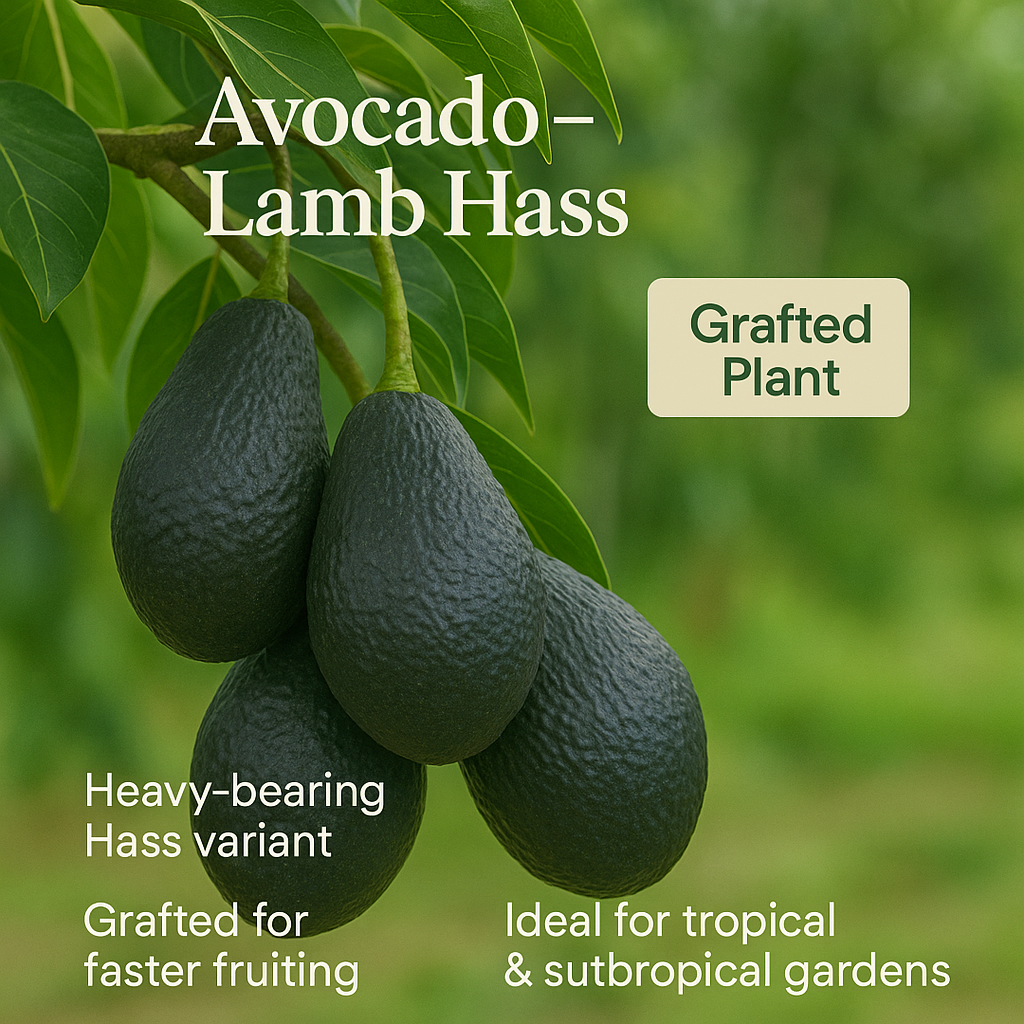
- Hass Avocado: Known for its creamy texture and long shelf life, perfect for export.
- Fuerte Avocado: Larger, with smooth green skin, often sold in local markets.
Here’s a quick comparison of the two:
| Variety | Skin Type | Texture | Shelf Life |
|---|---|---|---|
| Hass | Rough, dark | Creamy | Long |
| Fuerte | Smooth, green | Buttery | Medium |
The Hass variety is increasingly popular for export because it travels well and stays fresh longer.
Credit: keralagarden.com
Farming Techniques And Sustainability
Most Cameroonian avocados are grown by smallholder farmers. These family-run farms use traditional methods, such as crop rotation and mixed farming. This helps keep the soil healthy and supports local biodiversity.
A non-obvious benefit: Avocado trees in Cameroon are often grown alongside cocoa, bananas, and spices. This “agroforestry” method makes farms more resilient to weather changes and pests. It also boosts farmers’ incomes throughout the year.
Another detail beginners may miss: Many Cameroonian farmers still use manual harvesting. Workers pick avocados by hand, reducing bruising and damage. This careful handling supports the fruit’s premium quality.
Market Position: From Cameroon To The Uae
While Cameroon produces over 300,000 tons of avocados yearly, only a small fraction is exported. But with rising demand in the Middle East, new direct trade routes are opening. The UAE, with its growing hospitality and luxury food sector, is a top destination.
The company Prime Harvest FZE plays a special role here. Based in Sharjah, UAE, they bridge the gap between West African soil and UAE spaces. By sourcing directly from Cameroonian cooperatives, they offer true origin purity and tight quality control. Their business model avoids brokers, focusing on direct B2B distribution.
A look at their approach:
- Direct Procurement: Buying straight from farmers ensures the avocados are fresh and traceable.
- Risk-Managed Trading: Instead of chasing trends, they focus on a few high-quality trades each season. This supports stable prices and consistent quality for UAE clients.
This model is especially attractive for the UAE’s HORECA (hotel, restaurant, café) sector, where premium ingredients matter.
Economic And Social Impact
Avocado farming is more than just an export business for Cameroon. It provides income for over 250,000 families, from small villages to growing towns. The sector is also helping to empower women, as many cooperatives are led by female farmers.
Export earnings are rising, supporting rural schools and infrastructure. At the same time, direct trade models like Prime Harvest FZE’s help ensure more profits stay with the growers, not just middlemen.
Here’s a snapshot of how avocado income compares with other crops in Cameroon:
| Crop | Avg. Income per Hectare (USD) | Main Export Market |
|---|---|---|
| Avocado | 1,200 | UAE, France |
| Cocoa | 950 | Europe |
| Banana | 850 | Europe, Middle East |
| Coffee | 700 | Europe |
Quality, Freshness, And Storytelling
Cameroon’s avocados don’t just sell because of taste. Each fruit carries a story — of mineral-rich volcanic soil, careful handpicking, and the efforts of local cooperatives. For high-end buyers in the UAE, this “origin story” adds value.
Another insight: Companies now use traceability systems to prove their avocados’ true origin. QR codes on packaging can show which farm the fruit came from and how it was grown. This transparency is becoming a selling point in premium markets.
Credit: www.froghollow.com
Challenges And The Road Ahead
Avocado farming in Cameroon is not without obstacles. Logistics can be tough: poor rural roads, limited cold storage, and high shipping costs. Climate change also brings unpredictable rainfall and pests.
However, new investments are coming in. Partnerships with international buyers, like Prime Harvest FZE, offer training and better infrastructure. Improved supply chains mean fresher avocados reach Dubai, Abu Dhabi, and beyond.
Local farmers are adapting by planting more disease-resistant varieties and joining cooperatives for shared resources. There’s optimism that Cameroon’s avocados will keep growing in both quality and reputation.
Frequently Asked Questions
What Makes Cameroonian Avocados Different From Others?
Cameroonian avocados grow in volcanic soil at high altitudes, which gives them a richer taste and higher nutrient content. They’re often picked by hand, keeping them fresh and less damaged.
How Does Prime Harvest Fze Support Cameroonian Farmers?
By buying directly from farming cooperatives, Prime Harvest FZE ensures farmers get better prices. Their model skips brokers, so profits stay closer to the growers.
Are Cameroonian Avocados Organic?
Many are grown with minimal chemicals, thanks to the country’s natural pest control and traditional methods. However, not all have official organic certification yet.
Can I Trace Where My Avocado Came From?
Some exporters use traceability systems. With a QR code, you can see the farm’s location and how the fruit was grown, adding trust for premium buyers.
Where Can I Learn More About Cameroon’s Avocado Industry?
For more data and industry insights, visit the Wikipedia page on Agriculture in Cameroon.
Cameroon’s avocado farming is special because of its unique land, careful farmers, and new business models that connect African soil with top markets in the UAE. As the world looks for healthy, ethical food, Cameroonian avocados are finding their place — not just as a fruit, but as a story of tradition and innovation.

Credit: www.olivelle.com