If you’re an artisanal chocolatier in the Emirates, sourcing the perfect cocoa is key to crafting unforgettable chocolates. The quality of your cocoa beans affects every bite your customers take.
But finding the right beans that match your unique style and standards can be challenging. What if you could discover reliable sources that offer rich flavors, ethical practices, and consistent quality? You’ll learn how to source cocoa that elevates your creations and sets your chocolates apart in a competitive market.
Keep reading to unlock secrets that can transform your craft and delight your customers every time.
Cocoa Origins And Varieties
Cocoa plays a key role in the art of chocolate making. The origin and variety of cocoa beans shape the flavor and quality of chocolate. Artisanal chocolatiers in the Emirates carefully choose beans to create unique tastes. Understanding cocoa origins helps chocolatiers select the best beans for their craft.
Major Cocoa Producing Regions
Cocoa grows mostly in tropical climates near the equator. West Africa leads global production, with countries like Ivory Coast and Ghana. South America offers fine-flavored beans, especially from Ecuador and Peru. Southeast Asia, including Indonesia, produces cocoa with distinct traits. Each region’s climate and soil influence the beans’ quality.
Flavor Profiles By Origin
Cocoa beans differ greatly in taste depending on where they grow. West African beans often have a strong, earthy flavor. South American beans bring fruity and floral notes. Asian cocoa tends to be mild and slightly nutty. These natural flavors guide chocolatiers in crafting their chocolate blends.
Rare And Heirloom Varieties
Some cocoa types are rare and prized for unique flavors. Heirloom varieties like Criollo are delicate and aromatic. Trinitario beans combine hardiness with fine taste. These rare beans are harder to find but add exclusivity to chocolates. Artisanal chocolatiers value these varieties for special creations.
Sourcing Challenges In The Emirates
Sourcing high-quality cocoa in the Emirates poses unique challenges. Artisanal chocolatiers must navigate complex factors to maintain quality and consistency. These challenges affect every step of the sourcing process. Understanding them helps chocolatiers plan better and avoid costly setbacks.
Import Regulations And Customs
The Emirates has strict rules for importing food products. Cocoa shipments must meet health and safety standards. Paperwork and certifications cause delays at customs. Delays can affect the freshness and quality of cocoa beans. Importers must stay updated on changing regulations to avoid problems.
Climate And Storage Considerations
The hot and humid climate in the Emirates affects cocoa storage. Cocoa beans need cool, dry places to keep their flavor intact. Improper storage leads to mold or flavor loss. Chocolatiers must invest in proper storage facilities. Temperature control is essential to preserve cocoa quality.
Supply Chain Reliability
Supply chains for cocoa can be unpredictable. Delays in shipping and transport affect availability. Political or economic changes in cocoa-producing countries also cause risks. Finding reliable suppliers with consistent quality is hard. Building strong relationships with suppliers is key for steady supply.
Ethical And Sustainable Sourcing
Ethical and sustainable sourcing is vital for artisanal chocolatiers in the Emirates. It ensures cocoa is grown and harvested with respect for people and the planet. Choosing the right cocoa means supporting farmers and protecting the environment. This approach builds trust and adds value to the chocolate.
Fair Trade Certifications
Fair Trade certifications guarantee fair wages and safe working conditions for farmers. They help prevent child labor and exploitation in cocoa farms. Chocolatiers can find cocoa beans with labels like Fairtrade International or Rainforest Alliance. These certifications assure customers that the chocolate is responsibly sourced.
Direct Trade Relationships
Direct trade means chocolatiers buy cocoa straight from farmers or cooperatives. This practice creates stronger connections and fairer prices for farmers. It also allows chocolatiers to control quality better and learn about farming practices. Direct trade promotes transparency and long-term partnerships in the cocoa supply chain.
Environmental Impact
Sustainable cocoa farming protects forests and wildlife habitats. It reduces harmful chemicals and promotes organic farming methods. Using shade-grown cocoa preserves biodiversity and soil health. Artisanal chocolatiers committed to sustainability help lower carbon footprints and support eco-friendly agriculture.

Credit: www.peterbrooke.com
Building Relationships With Farmers
Building strong relationships with cocoa farmers is key for artisanal chocolatiers in the Emirates. These bonds ensure a steady supply of quality cocoa beans. They also support fair practices and sustainable farming. Trust and respect grow from close connections with the people who grow the beans.
Chocolatiers gain deep insight into farming methods and cocoa varieties by working closely with farmers. This knowledge helps create unique, high-quality chocolate products. The partnerships also encourage better living standards for farmers and their families. It is a win-win for all involved.
Visiting Cocoa Plantations
Traveling to cocoa plantations is essential to build trust with farmers. Seeing the farms firsthand helps chocolatiers understand the growing conditions. They learn about the challenges farmers face each day. This experience creates respect and stronger bonds.
On-site visits allow chocolatiers to inspect the beans during harvest. They can select the best quality cocoa for their products. This direct approach reduces the risk of low-quality beans reaching the factory.
Supporting Farmer Communities
Helping cocoa farmers means investing in their communities. Chocolatiers can fund local projects like schools and clean water. These efforts improve farmers’ lives beyond just income. Healthy, educated communities grow better cocoa in the long term.
Providing fair prices and timely payments also supports farmers. It allows them to plan ahead and invest in their farms. This support builds loyalty and strengthens partnerships.
Ensuring Quality Through Partnerships
Close relationships with farmers help maintain consistent cocoa quality. Chocolatiers work together with farmers on farming techniques. They share knowledge about pest control and harvesting times. This teamwork leads to better beans and better chocolate.
Regular communication allows quick problem-solving. Farmers feel valued and motivated to deliver top-quality cocoa. These partnerships create a reliable supply chain for artisanal chocolatiers in the Emirates.
Selecting Cocoa For Artisanal Chocolate
Selecting cocoa is a crucial step for artisanal chocolatiers in the Emirates. The choice affects the final taste, texture, and quality of the chocolate. Chocolatiers focus on beans that offer unique flavors and high quality. Understanding the cocoa’s journey from bean to bar helps create exceptional chocolate products. This section covers key factors to consider when selecting cocoa for artisanal chocolate.
Bean Fermentation And Drying Processes
Fermentation is the first step after harvesting cocoa beans. It develops flavor and reduces bitterness. Proper fermentation ensures beans have a rich and balanced taste. Drying removes moisture to prevent mold and spoilage. Slow, careful drying preserves flavors and bean quality. Beans dried too quickly may lose aroma and taste. Artisanal chocolatiers often prefer beans with traditional fermentation and drying methods.
Flavor Profiling And Tasting
Tasting cocoa beans helps identify unique flavor notes. Each cocoa origin has distinct profiles like fruity, nutty, or floral. Chocolatiers sample beans raw and roasted to assess flavors. This helps select beans that match desired chocolate styles. Flavor profiling guides blending different beans for complex chocolates. Tasting also detects defects or off-flavors to avoid poor quality beans.
Balancing Quality And Cost
High-quality cocoa can be expensive, especially rare varieties. Artisanal chocolatiers balance cost with bean quality. They seek beans that offer great flavor without excessive price. Bulk buying or direct trade relationships can lower costs. Investing in better beans improves chocolate quality and customer satisfaction. Smart sourcing ensures sustainable business and premium products.

Credit: thesweettooth.com
Logistics And Storage Solutions
Managing the logistics and storage of cocoa beans is vital for artisanal chocolatiers in the Emirates. Proper handling ensures the beans stay fresh and maintain their rich flavor. Efficient transport and storage reduce spoilage risks and keep costs down.
Transportation Best Practices
Choose reliable shipping partners experienced with cocoa beans. Use temperature-controlled containers to avoid heat damage. Keep beans dry to prevent mold growth. Track shipments closely to handle delays fast. Avoid long transit times to preserve quality.
Maintaining Bean Freshness
Store beans in cool, dry places away from strong smells. Use airtight packaging to protect from moisture and air. Rotate stock regularly to use older beans first. Inspect beans for pests or damage before use. Proper handling keeps the flavor and texture intact.
Storage Facilities In The Emirates
Many warehouses offer climate control suited for cocoa storage. Facilities near ports reduce transport time and costs. Clean, pest-free storage is essential for bean quality. Some warehouses provide customized storage for small batches. Choose locations that support quick access for chocolatiers.
Trends In Cocoa Sourcing
Sourcing cocoa has changed a lot for chocolatiers in the Emirates. Trends show a clear shift in how cocoa is selected and bought. These changes affect the quality, taste, and ethics of chocolate. Understanding these trends helps chocolatiers create better products.
Emerging Origins Gaining Popularity
New cocoa-growing regions are catching attention. Countries in Africa and Latin America offer unique flavors. These origins provide fresh options beyond traditional sources. Chocolatiers explore these beans to craft distinct chocolates. This diversity excites customers and adds value.
Innovations In Sustainable Practices
Sustainability is a big focus in cocoa sourcing. Farmers now use eco-friendly methods to protect land and water. Fair trade and direct trade models ensure fair pay for growers. These efforts reduce environmental harm and support communities. Chocolatiers benefit from cleaner, ethical cocoa supplies.
Consumer Preferences Impact
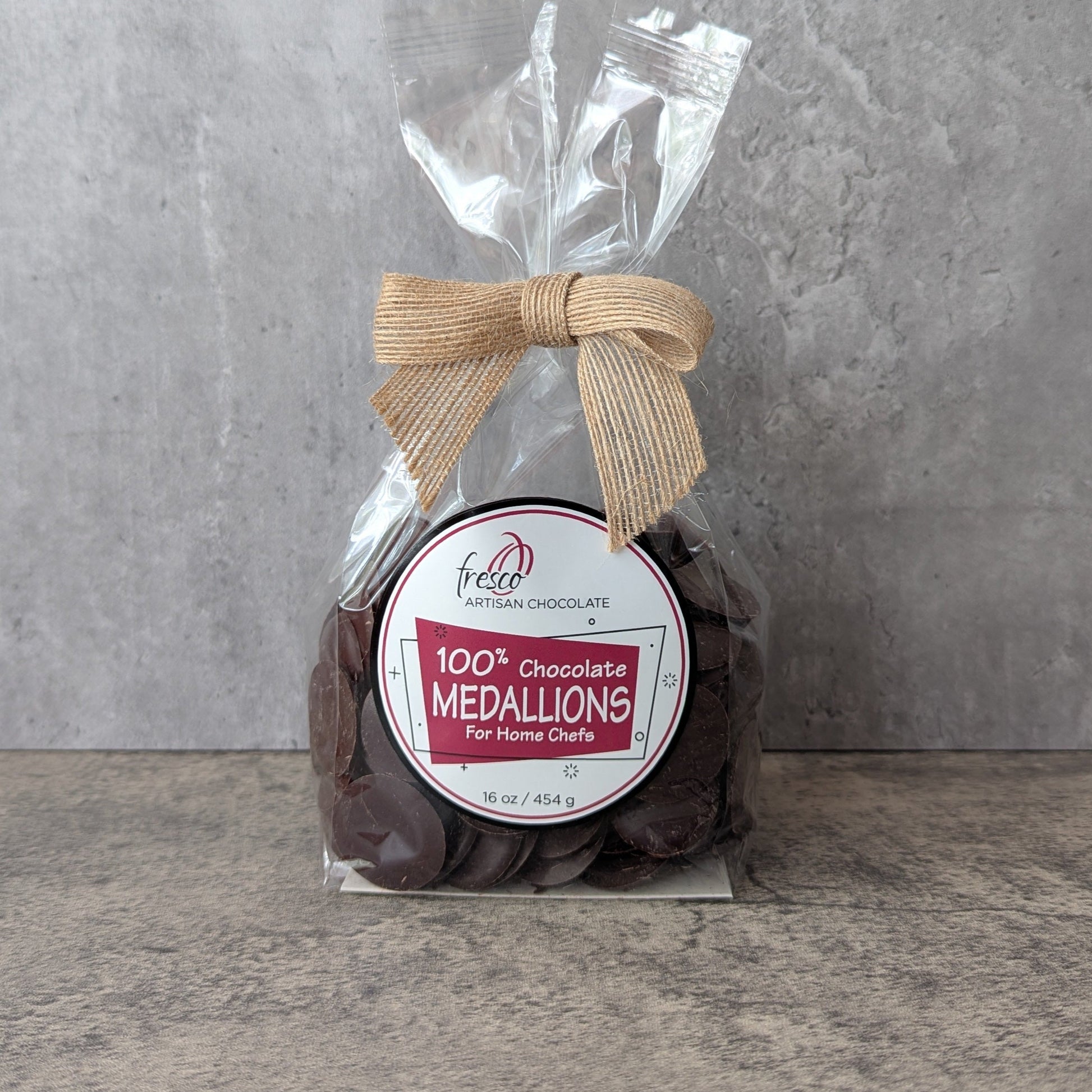
Buyers want transparent and responsibly sourced cocoa. They care about farm workers and nature. Demand grows for organic and single-origin chocolates. Packaging often highlights cocoa origin and farming practices. This shapes how chocolatiers choose their cocoa beans.
Credit: frescochocolate.com
Frequently Asked Questions
What Is The Best Cocoa Source For Emirati Chocolatiers?
The best cocoa sources for Emirati chocolatiers are single-origin beans from West Africa and South America. These beans provide rich flavors. Artisanal chocolatiers prefer ethically sourced, high-quality cocoa to ensure superior taste and sustainability.
How To Ensure Ethical Cocoa Sourcing In The Emirates?
Ethical cocoa sourcing involves choosing suppliers who follow fair trade practices. Look for certifications like Fair Trade or Rainforest Alliance. This guarantees fair wages, safe working conditions, and environmental responsibility. Emirati chocolatiers prioritize transparency and traceability in their supply chain.
Why Is Single-origin Cocoa Preferred By Artisanal Chocolatiers?
Single-origin cocoa offers unique flavor profiles specific to its region. Artisanal chocolatiers use it to craft distinctive chocolates. This cocoa type highlights terroir and enhances the chocolate’s complexity, appealing to discerning customers in the Emirates.
What Challenges Do Chocolatiers Face Sourcing Cocoa In The Emirates?
Chocolatiers in the Emirates face challenges like high import costs, limited local suppliers, and ensuring freshness. Navigating customs and finding reliable ethical sources also complicate sourcing. Despite this, they maintain quality by partnering with trusted global cocoa producers.
Conclusion
Sourcing quality cocoa is key for chocolatiers in the Emirates. Local artisans benefit from understanding cocoa origins and supply chains. Choosing beans carefully shapes the chocolate’s flavor and texture. Building strong relationships with trusted suppliers ensures consistent quality. Sustainable and ethical sourcing also supports farmers and the environment.
Crafting exceptional chocolate starts with selecting the right cocoa. This effort helps create products that delight customers every time. The journey from bean to bar is a vital part of the craft.