Imagine taking the rich, bold flavors of traditional Emirati dishes and giving them a fresh twist with unique African agro-products. What if your favorite meals could surprise your taste buds in ways you never expected?
This fusion kitchen idea isn’t just about cooking; it’s about unlocking new tastes and stories that connect two vibrant cultures. You’ll discover how simple ingredients from Africa can transform familiar recipes into exciting culinary adventures. Ready to spice up your cooking and impress your family and friends?
Keep reading to find out how you can bring this delicious fusion to your own kitchen.
African Agro-products In Focus
African agro-products bring new flavors to traditional Emirati dishes. These ingredients add richness and diversity to the local cuisine. Using them creates a unique fusion that honors both cultures. The blend of African produce and Emirati recipes offers fresh taste experiences.
Key Ingredients From Africa
Many African agro-products are perfect for Emirati cooking. Sorghum, millet, and fonio are popular grains used in stews and breads. Baobab fruit powder adds a tangy flavor and natural sweetness. Hibiscus flowers create vibrant teas and sauces. Each ingredient has a distinct taste and texture that complements traditional dishes.
Nutritional Benefits
African agro-products are rich in nutrients. They provide fiber, vitamins, and minerals essential for good health. Baobab is high in vitamin C and antioxidants. Sorghum and millet offer gluten-free options with complex carbohydrates. These foods support digestion and boost energy levels. Using them enhances the nutritional value of meals.
Sourcing And Sustainability
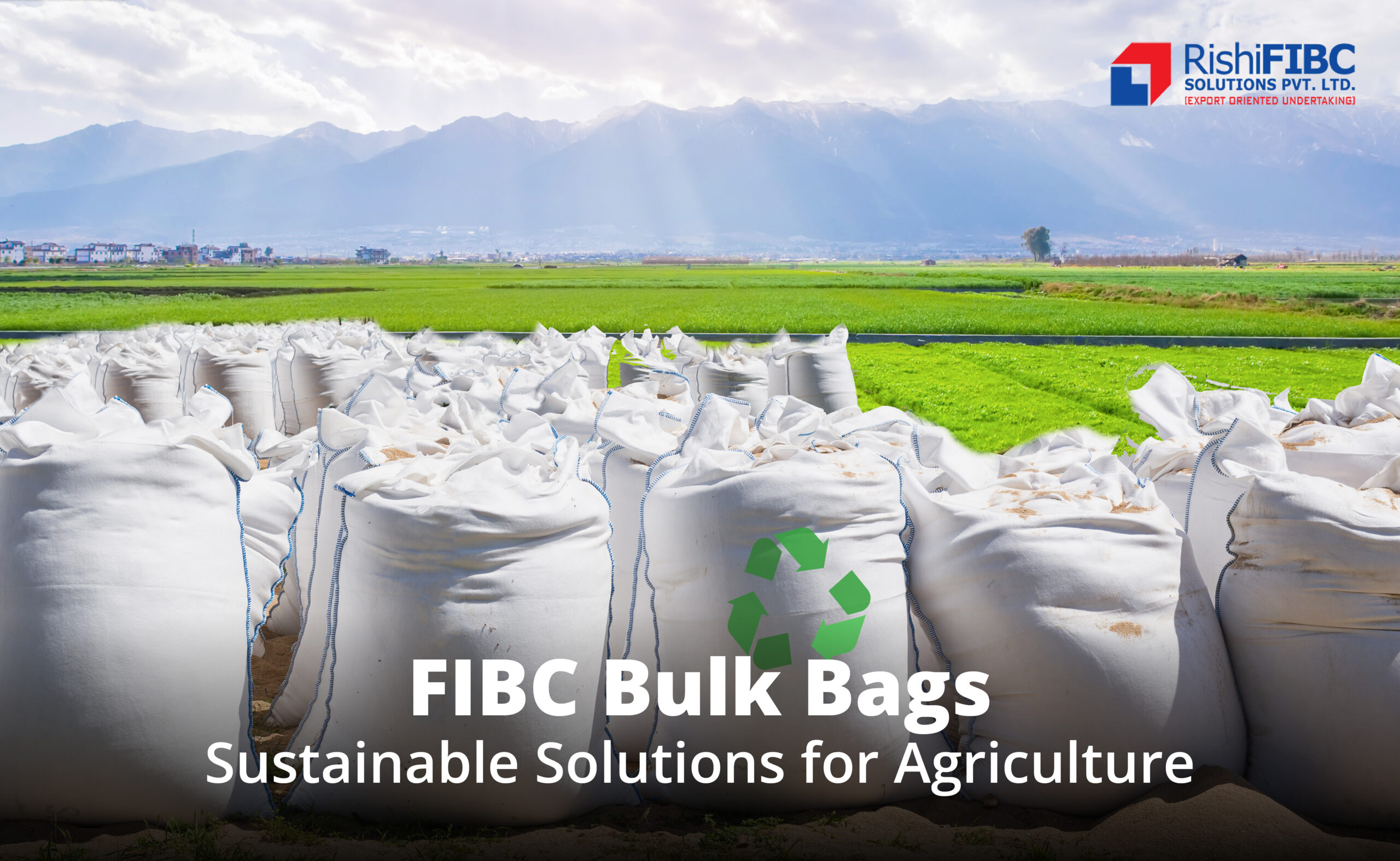
Sourcing African agro-products supports small-scale farmers. Many of these crops grow well in dry, arid climates. They require less water and fewer chemicals than conventional crops. This makes them environmentally friendly and sustainable. Choosing these products helps preserve traditional farming methods and promotes fair trade.
Credit: www.rishifibc.com
Essence Of Traditional Emirati Cuisine
The essence of traditional Emirati cuisine lies in its rich history and unique flavors. It reflects the desert lifestyle and coastal heritage. Meals tell stories of the land, sea, and the people who lived there. Every dish carries a taste of the past and a sense of community.
Traditional cooking techniques and local ingredients create a distinct taste. These elements combine to form dishes that are both hearty and flavorful. Understanding these basics helps appreciate the fusion with African agro-products.
Core Flavors And Techniques
Emirati cuisine uses simple yet bold flavors. Spices like saffron, cardamom, and cumin play a big role. Slow-cooking is common to bring out deep flavors. Grilling and steaming are also popular methods. These techniques keep food tender and full of taste.
Staple Ingredients
Rice, fish, dates, and meat are staples in Emirati dishes. Fresh herbs and dried fruits add sweetness and aroma. Local grains and legumes provide nutrition and texture. These ingredients reflect the region’s natural resources and climate.
Cultural Significance
Food is central to Emirati social life. Sharing meals strengthens family and friendship bonds. Traditional dishes mark celebrations and special occasions. The recipes are passed down through generations. They keep cultural identity alive and vibrant.
Blending Flavors: Fusion Concepts
Blending flavors in fusion cuisine creates exciting new tastes. Using African agro-products in traditional Emirati dishes opens fresh possibilities. The mix of spices, textures, and ingredients brings unique dining experiences. This fusion respects both cultures while inventing something new. Chefs experiment with taste, cooking, and presentation to delight the senses.
Balancing Taste Profiles
Balancing taste profiles is key in fusion cooking. African ingredients add bold, earthy notes to Emirati dishes. Sweet dates or spicy berbere can complement aromatic saffron or cardamom. The goal is harmony between sweet, sour, salty, and bitter flavors. Careful seasoning ensures no ingredient overwhelms the dish.
Innovative Cooking Methods
Innovative cooking methods bring out the best in fusion dishes. Slow roasting, steaming, or grilling enhance new ingredient combinations. Using traditional Emirati cooking styles with African techniques creates unique textures. This approach keeps the authenticity while adding creative twists. It invites diners to explore fresh culinary landscapes.
Visual Appeal And Presentation
Visual appeal plays a big role in fusion dining. Bright African vegetables and grains add vibrant colors to plates. Arranging food with Emirati elegance highlights the blend of cultures. Garnishes like fresh herbs or edible flowers enhance the look. A beautiful presentation makes the meal more inviting and memorable.

Credit: www.gminsights.com
Signature Fusion Dishes
Signature fusion dishes blend African agro-products with Emirati flavors. These dishes offer new tastes while honoring tradition. They bring together unique ingredients from two rich cultures.
Each dish tells a story of heritage and innovation. Chefs create exciting meals that surprise and delight the palate. From starters to desserts, every course showcases this special fusion.
Starter Ideas
Start with dishes using African spices and Emirati herbs. For example, a spicy baobab dip served with traditional Emirati bread. Or a salad combining moringa leaves with local dates and nuts. These starters are fresh, vibrant, and full of flavor.
Main Course Creations
Main courses mix staple grains like millet or sorghum with Emirati meats. Imagine slow-cooked lamb with tamarind and sumac, paired with couscous made from African grains. Another option is fish marinated in African pepper, grilled and served with saffron rice. These meals are hearty and rich.
Dessert Innovations
Desserts use African fruits and nuts alongside Emirati sweets. A popular choice is a date cake with African baobab powder for a tangy twist. Or a creamy pudding with mango and roasted kola nuts. These treats offer a sweet finish with new textures and tastes.
Challenges And Solutions
Using African agro-products in traditional Emirati dishes presents unique challenges. These obstacles affect taste, texture, and availability. Finding practical solutions is essential to create harmonious fusion dishes. Below are some key challenges and ways to address them.
Ingredient Compatibility
Combining African ingredients with Emirati flavors requires care. Some products may overpower the dish or clash in taste. Testing small batches helps find the right balance. Adjusting spices and cooking methods can make ingredients work well together. Experimentation leads to dishes that respect both cultures.
Preserving Authenticity
Maintaining the original taste of Emirati dishes is important. Adding new ingredients should not erase traditional flavors. Using African products that complement the dish keeps authenticity intact. Chefs must understand each ingredient’s role. This respect keeps the dish familiar yet fresh.
Overcoming Supply Issues
Access to African agro-products can be limited in the UAE. Seasonal changes and import rules affect availability. Building strong supplier relationships ensures steady stock. Using preserved or dried versions can help during shortages. Planning menus around available products avoids last-minute changes.

Credit: www.webstaurantstore.com
Future Of Fusion Cuisine
The future of fusion cuisine is exciting and full of possibilities. Combining African agro-products with traditional Emirati dishes creates new flavors. This blend offers fresh experiences for taste buds and promotes cultural exchange. It supports local farmers and sustainable food practices. Fusion cuisine will continue to grow as chefs and food lovers explore new ideas.
Emerging Trends
Chefs are experimenting with spices and ingredients from Africa and the UAE. There is a rise in using indigenous grains like teff and sorghum in Emirati meals. Street food styles are merging with fine dining. Plant-based options gain popularity in fusion menus. Food festivals celebrate these unique combinations.
Market Potential
Demand for diverse food options increases in the UAE. Tourists seek authentic and innovative dining experiences. Local markets show interest in African agro-products. Restaurants can attract a wider audience by offering fusion dishes. Exporting these products to other regions also grows.
Culinary Collaboration Opportunities
Chefs from Africa and the UAE share knowledge and skills. Cooking workshops and cultural events promote partnership. Food startups explore joint ventures to create new products. Culinary schools include fusion cuisine in their training. Collaboration boosts creativity and supports food innovation.
Frequently Asked Questions
What Are African Agro-products Used In Emirati Dishes?
African agro-products like millet, sorghum, and baobab are used in Emirati dishes. These ingredients add unique flavors and nutrition. They blend traditional Emirati cooking with African agricultural heritage, creating fusion cuisine with rich taste and cultural significance.
How Do African Ingredients Enhance Traditional Emirati Cuisine?
African ingredients introduce new textures and flavors to Emirati dishes. They increase nutritional value and offer diverse culinary experiences. This fusion respects tradition while innovating, making meals more exciting and healthful for modern palates.
Which Traditional Emirati Dishes Use African Agro-products?
Dishes like harees, machboos, and date desserts often incorporate African grains and spices. Using millet or sorghum in these recipes enriches the flavor profile. This fusion showcases the versatility of both African and Emirati culinary traditions.
Why Is Fusion Cooking Important In Emirati Culture?
Fusion cooking embraces diversity and innovation in Emirati cuisine. It reflects the UAE’s multicultural society and promotes cultural exchange. Using African agro-products preserves heritage while creating new, exciting food experiences for locals and visitors.
Conclusion
Fusion Kitchen shows how African agro-products enrich Emirati dishes. It brings new flavors while respecting tradition. This mix creates meals that are tasty and unique. Using local ingredients helps farmers and the environment. It also connects two rich cultures in a simple way.
Try these dishes to taste something fresh and exciting. Fusion cooking invites everyone to explore and enjoy diverse food. It proves food is a bridge between people and places.