Imagine biting into a juicy tomato or savoring a crisp, sweet carrot grown not just anywhere, but in soil born from fiery volcanic eruptions. From the rich slopes of Mount Cameroon to the bustling markets of Dubai, volcanic soil is transforming produce into something extraordinary.
You might wonder, what makes this soil so special? Why do farmers swear by it for their best harvests? You’ll discover how volcanic soil’s unique blend of minerals and nutrients fuels healthier, tastier crops that can travel the world to reach your table.
If you care about the food you eat and where it comes from, keep reading—you’re about to uncover the secret behind nature’s most fertile gift.
Credit: www.gigawattcoffeeroasters.com
Volcanic Soil Basics
Volcanic soil plays a vital role in growing rich and healthy crops worldwide. It forms from volcanic materials that break down over time. This soil type is unique because it offers excellent conditions for plant growth. Farmers prize volcanic soil for its natural fertility and ability to hold water. Understanding the basics of volcanic soil helps explain why it supports some of the best produce from Mount Cameroon to Dubai.
Formation And Composition
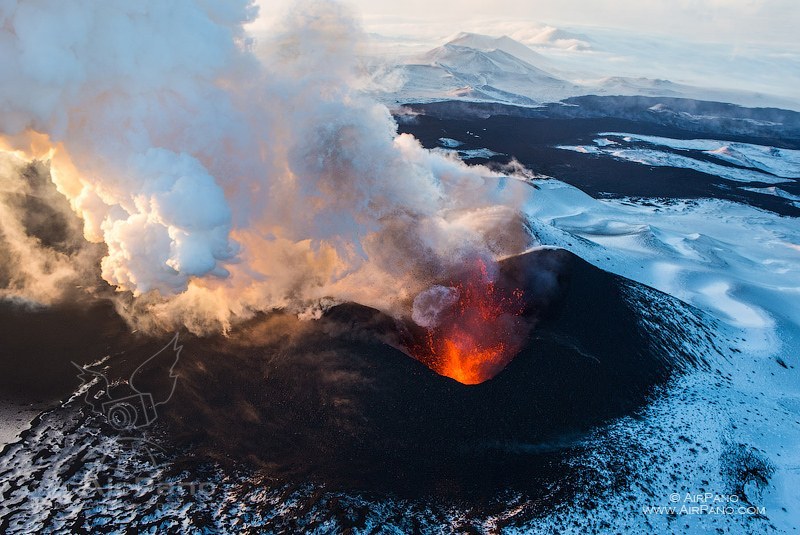
Volcanic soil forms from lava, ash, and other volcanic debris. After an eruption, these materials cool and weather into fine particles. Over years, microbes and plants help develop the soil structure. The mix of minerals and organic matter creates a rich base. This soil often contains a blend of sand, silt, and clay. Its porous nature allows air and water to move freely, supporting root growth.
Key Nutrients And Minerals
Volcanic soil contains essential nutrients like potassium, phosphorus, and nitrogen. These elements boost plant health and growth. It also has calcium, magnesium, and iron, which improve soil quality. The minerals slowly release, providing steady nourishment to crops. This steady supply helps plants produce better fruits and vegetables. The natural balance of nutrients reduces the need for chemical fertilizers.
Fertility Advantages
Volcanic soil is famous for its fertility. This soil forms from volcanic ash and rock. It has many natural advantages that help plants grow strong and healthy. Farmers from Mount Cameroon to Dubai trust volcanic soil for better crops. The fertility advantages come from how this soil holds water and its unique structure.
Water Retention And Drainage
Volcanic soil holds water well, giving plants steady moisture. It absorbs rain and irrigation quickly. Yet, it also drains excess water fast. This balance stops roots from getting too wet or too dry. Plants stay hydrated without risk of root rot. The soil’s fine particles trap water but have spaces for air.
Soil Structure And Aeration
The soil’s crumbly texture makes it easy for roots to grow. Volcanic soil is loose and light. Roots find it simple to push through and spread. Good aeration means roots get plenty of oxygen. Oxygen in soil helps plants breathe and absorb nutrients. Healthy roots lead to healthier plants and better yields.
Crops Thriving In Volcanic Soil
Volcanic soil offers a rich and fertile ground for many crops. Its unique makeup helps plants grow strong and healthy. Farmers across the world choose volcanic soil for its natural nutrients. These nutrients feed plants and improve their taste and quality. From coffee beans to fresh vegetables, volcanic soil plays a key role in agriculture.
Coffee And Tea
Volcanic soil is ideal for coffee and tea plants. It holds water well but drains excess moisture. This balance keeps roots healthy and prevents rot. The soil’s minerals add flavor and aroma to the beans and leaves. Many famous coffee regions, like Mount Cameroon, thrive on volcanic land. Tea plantations also benefit from the rich nutrients volcanic soil provides.
Fruits And Vegetables
Fruits and vegetables grow quickly in volcanic soil. The soil’s nutrients support strong stems and vibrant colors. Tomatoes, peppers, and leafy greens taste better and yield more. Tropical fruits such as bananas and pineapples also flourish. Volcanic soil keeps plants healthy and resistant to pests and diseases. This soil type helps farmers produce fresh, high-quality crops year-round.
Grains And Pasture
Grains like maize and wheat thrive in volcanic soil’s loose texture. The soil allows roots to spread easily and absorb nutrients. Pasture grasses grow thick and nutritious for grazing animals. Regions with volcanic soil often support dairy and livestock farming. This soil’s water retention and minerals boost plant growth and animal health. Farmers rely on volcanic soil to sustain strong crops and pastures.
Mount Cameroon’s Agricultural Richness
Mount Cameroon is one of Africa’s most fertile farming areas. The volcanic soil here is rich in minerals. This soil supports many types of crops and plants. Farmers in this region benefit from the natural nutrients the soil provides. The land around Mount Cameroon offers excellent conditions for agriculture. The steady rainfall and warm climate add to the soil’s productivity.
Volcanic soil breaks down slowly, releasing nutrients over time. This helps crops grow strong and healthy. The soil also holds water well, reducing the need for extra irrigation. These factors make Mount Cameroon a key area for growing fresh produce. Many local communities rely on farming for their livelihood.
Local Farming Practices
Farmers near Mount Cameroon use traditional methods passed down for generations. They plant crops in rotation to keep the soil healthy. Small tools and simple machines help with planting and harvesting. Farmers often mix organic waste into the soil to add nutrients. They also use natural pest control methods to protect crops.
Many farms are family-run and focus on sustainable practices. This approach keeps the soil fertile and the environment safe. Farmers adapt to the changing seasons by selecting the best planting times. Their deep knowledge of the land helps them produce high-quality crops year after year.
Unique Produce Varieties
The volcanic soil allows for the growth of unique and flavorful produce. Crops like plantains, cocoa, coffee, and spices thrive here. These plants develop rich tastes and strong aromas due to the soil’s minerals. Some fruits and vegetables from this region are known for their superior quality.
Local farmers also cultivate native plants that grow well only in volcanic soil. These varieties are often resistant to pests and diseases. This makes them ideal for organic farming. The produce from Mount Cameroon is highly sought after in markets far beyond the region.
Dubai’s Connection To Volcanic Produce
Dubai’s food market is diverse and always growing. The city imports fresh produce from many parts of the world. Among these, fruits and vegetables grown in volcanic soil stand out. Their rich taste and high nutrient content attract buyers. Dubai’s chefs and consumers appreciate the quality and health benefits of volcanic soil produce.
Volcanic soil is known for its fertility and mineral richness. This soil type helps plants grow stronger and healthier. Crops from volcanic regions often have better flavors and textures. Dubai’s climate limits local farming, so importing high-quality produce is essential. Volcanic soil produce meets the demand for premium fruits and vegetables in Dubai’s market.
Importing Volcanic Soil Produce
Dubai imports volcanic soil produce mainly from countries with active or dormant volcanoes. Mount Cameroon is one such source. Farmers there cultivate crops in nutrient-rich volcanic earth. This produce travels thousands of miles to reach Dubai’s markets and restaurants. Importers carefully select these goods to ensure freshness and quality.
Transport and storage are crucial to keep the produce fresh. Cold chain logistics help maintain texture and nutrient levels. Dubai’s importers work closely with suppliers to meet strict quality standards. This process ensures that customers receive the best volcanic soil fruits and vegetables possible.
Demand For Quality And Nutrients
Consumers in Dubai seek fresh produce with great taste and health benefits. Volcanic soil crops offer more vitamins and minerals than many others. This nutrient density supports a healthier diet and lifestyle. The demand for such quality produce is growing in Dubai’s health-conscious market.
Restaurants and supermarkets prefer volcanic soil produce for its superior quality. Buyers notice the difference in flavor and shelf life. This demand encourages more imports and wider availability of volcanic soil crops in Dubai. The city’s connection to volcanic produce helps meet its high standards for food quality.

Credit: www.cntraveler.com
Environmental Impact Of Volcanic Soil Farming
Volcanic soil farming impacts the environment in many positive ways. This soil type forms after volcanic eruptions, creating rich, fertile land. Farmers benefit from growing crops that thrive in these nutrient-rich conditions. The environmental effects extend beyond crop growth to soil health and biodiversity. Understanding these effects helps us appreciate why volcanic soil supports sustainable agriculture.
Sustainability And Soil Health
Volcanic soil supports long-term farming without heavy chemical use. It contains natural minerals like potassium, phosphorus, and nitrogen. These nutrients improve soil fertility and reduce the need for synthetic fertilizers. The soil’s texture allows good water drainage and retention, preventing erosion. Healthy soil structure encourages strong root systems and higher crop yields. This balance helps maintain soil health over years. Farmers can grow food sustainably, protecting the land for future use.
Biodiversity Benefits
Volcanic soil regions host diverse plant and animal life. The nutrients boost plant growth, which creates habitats for insects, birds, and small mammals. This variety supports natural pest control and pollination. Many volcanic areas have unique species that thrive only in this environment. These ecosystems help maintain ecological balance and resilience. Farming in volcanic soil can preserve local biodiversity while producing quality crops.
Global Examples Of Volcanic Agriculture
Volcanic soil supports rich agriculture worldwide. Its unique mineral content nourishes plants deeply. Many regions rely on volcanic earth for high-quality crops. These soils hold water well and drain excess moisture. This balance helps roots grow strong and healthy.
Farmers from various countries cultivate crops on volcanic land. The results often surpass those grown on regular soil. Let’s explore some global examples of volcanic agriculture and their famous produce.
New Zealand Pastures
New Zealand’s volcanic soil creates lush green pastures. Dairy farms thrive on these fertile lands. The soil’s minerals boost grass growth and nutrition. This rich grass feeds cattle, improving milk quality. Farmers enjoy higher yields and healthier livestock here.
Italian Vineyards
Italy’s volcanic regions produce some of the finest wines. Volcanic soil adds unique flavors to grapes. It provides good drainage while retaining essential nutrients. Vineyards on volcanic hillsides yield grapes with intense taste. These wines reflect the richness of the volcanic earth.
Hawaiian Crops
Hawaii’s volcanic soil supports diverse crops like coffee and pineapples. The soil’s minerals enhance plant growth and fruit quality. Coffee grown here is known worldwide for its rich flavor. Pineapples benefit from the well-drained volcanic soil. This soil helps crops withstand drought and pests better.
Challenges Of Volcanic Soil Farming
Volcanic soil offers rich nutrients and great farming potential. Yet, it comes with unique challenges for farmers. These soils need special care to keep their fertility and structure strong. Understanding these challenges helps farmers grow healthy crops and protect the land.
Managing volcanic soil is different from regular soil farming. The soil can face erosion and acidity problems. Both issues affect crop growth and soil health over time. Successful farming in volcanic areas depends on solving these challenges.
Erosion And Soil Degradation
Volcanic soils often lie on steep slopes. Rainfall can wash away the topsoil easily. This erosion removes valuable nutrients needed by plants. Without protection, soil loses its ability to support crops.
Farmers must use barriers like terraces or cover crops. These methods slow water flow and hold soil in place. Adding organic matter also helps keep soil healthy and prevents degradation.
Managing Soil Acidity
Volcanic soil can be very acidic. High acidity limits nutrient availability to plants. Some crops may struggle or fail to grow in such soil.
Farmers apply lime or other materials to reduce acidity. Testing soil regularly guides the right treatment. Proper pH balance improves nutrient uptake and crop yield.
Future Of Volcanic Soil In Agriculture
Volcanic soil holds great promise for farming. Its rich nutrients support strong plant growth. Scientists and farmers explore ways to use it more widely. This soil type can improve food quality and yields. The future includes new farming methods and global expansion. Both efforts aim to feed more people sustainably.
Innovations In Farming Techniques
Farmers use advanced tools to study volcanic soil better. Precision farming helps apply the right nutrients at the right time. This reduces waste and boosts crop health. Crop rotation and cover crops protect soil nutrients. New irrigation systems match the soil’s water needs. These methods keep volcanic soil fertile longer. Smart farming increases productivity while caring for the land.
Expanding Volcanic Soil Use Worldwide
Volcanic soil is common in many regions. Efforts grow to bring this soil’s benefits to new places. Scientists test volcanic soil blends in non-volcanic areas. These mixes improve local soil quality and plant growth. Countries with volcanic soil share knowledge with others. Global farming networks support this exchange. Expanding volcanic soil use can boost food security worldwide.
Credit: www.airpano.com
Frequently Asked Questions
Why Is Volcanic Soil Good For Farming?
Volcanic soil is rich in nutrients like potassium, phosphorus, and nitrogen. It drains well, retains moisture, and supports strong plant growth, making it highly fertile for farming.
Is Volcanic Soil The Best Soil?
Volcanic soil ranks among the most fertile due to its rich nutrients like potassium, phosphorus, and nitrogen. It supports strong plant growth and high crop yields. Many farmers prefer volcanic soil for its excellent drainage and water retention, making it ideal for diverse crops and sustainable agriculture.
What Is The Most Fertile Soil In The World?
Volcanic soil ranks as the most fertile in the world. It contains rich nutrients like potassium, phosphorus, and nitrogen. This soil drains well yet retains moisture, supporting strong plant growth and high crop yields. Farmers value it for producing abundant, healthy crops.
What Crops Grow Best In Volcanic Soil?
Volcanic soil best supports crops like coffee, maize, vegetables, fruits, and pasture grasses due to rich nutrients and good drainage.
Conclusion
Volcanic soil offers rich nutrients that help plants grow strong. From Mount Cameroon to Dubai, this soil supports diverse, healthy crops. It holds water well yet drains easily, perfect for farming. The minerals in volcanic soil improve taste and nutrition in produce.
Farmers around the world trust volcanic soil for better harvests. This natural gift from volcanoes feeds people and shapes cultures. Volcanic soil truly makes some of the best food we enjoy.