Black beans are a popular staple in many kitchens. They are loved for their taste, texture, and health benefits. But how do black beans compare to other legumes, like chickpeas, lentils, kidney beans, and soybeans? Understanding the nutritional differences can help you make better choices for your meals and overall health. This article breaks down the key nutrition facts, highlights unique qualities, and gives practical advice for choosing the right legume for your needs.
Black Beans: Nutritional Highlights
Black beans are small, shiny, and packed with nutrients. One cup of cooked black beans (about 172g) contains:
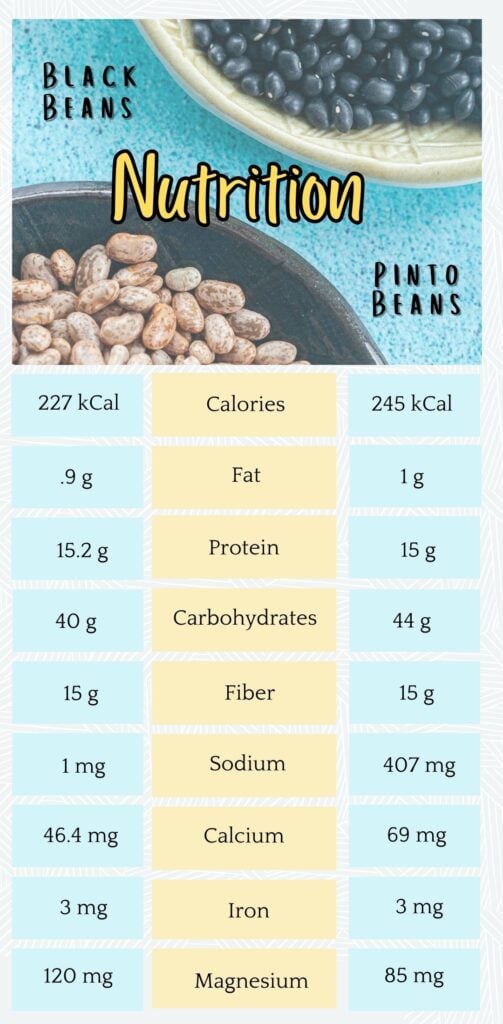
- Calories: 227
- Protein: 15g
- Carbohydrates: 40g
- Fiber: 15g
- Fat: 0.9g
- Iron: 2mg
- Folate: 256mcg
This makes them a strong source of plant protein and dietary fiber. They also provide key minerals like magnesium and potassium, which help with heart health and muscle function.
Comparing Black Beans To Other Legumes
Legumes share many health benefits. Still, each one has unique strengths. To help you see the differences, here is a data table with the most common legumes. All values are for 1 cup cooked:
| Legume | Calories | Protein (g) | Fiber (g) | Iron (mg) | Folate (mcg) |
|---|---|---|---|---|---|
| Black Beans | 227 | 15 | 15 | 2 | 256 |
| Chickpeas | 269 | 15 | 12 | 4.7 | 282 |
| Lentils | 230 | 18 | 15 | 6.6 | 358 |
| Kidney Beans | 225 | 15 | 11 | 3.9 | 115 |
| Soybeans | 298 | 28 | 10 | 8.8 | 93 |
As you can see, black beans are lower in calories than chickpeas and soybeans. They match lentils in fiber, but lentils have more protein. Soybeans stand out for their high protein and iron, but they are also higher in calories.
Credit: balancingbowls.com
Key Nutritional Differences
Protein Power
If you want more protein, soybeans lead the pack. Lentils are also strong, with 18g per cup. Black beans, chickpeas, and kidney beans have similar protein levels (15g). However, black beans are often easier to digest than soybeans, which can cause bloating for some people.
Fiber Benefits
Fiber is important for digestion and feeling full. Black beans and lentils have the highest fiber, with 15g per cup. Chickpeas and kidney beans are lower, but still provide a good amount. This high fiber content is why black beans are great for weight management and gut health.
Iron And Folate
Many people miss out on iron and folate, especially vegetarians. Lentils and soybeans are rich in iron, more than black beans. For folate, lentils are best, but black beans and chickpeas are also good sources. Folate is important for cell growth and preventing anemia.
Fat Content
Most legumes are low in fat, except soybeans. Black beans are very low in fat, which makes them ideal for low-fat diets. Soybeans have more fat, but it’s mostly healthy unsaturated fat.
Practical Uses And Health Insights
Each legume has its place in the kitchen. Black beans are often used in Latin American dishes, like burritos and soups. Chickpeas are famous for hummus and salads. Lentils cook quickly and are perfect for stews. Kidney beans are common in chili.
Soybeans are used for tofu and soy milk.
There are two non-obvious insights most beginners miss:
- Cooking Method Matters: The nutrition can change based on how you cook. For example, boiling preserves most nutrients, but frying or adding heavy sauces can raise calories and lower fiber.
- Combining Legumes: Mixing black beans with lentils or chickpeas in dishes boosts both protein and fiber. This helps you get a more balanced meal and keeps you full longer.
:max_bytes(150000):strip_icc()/HDC-lentils-vs-beans-2543d0365a634a3aa5d6e588dc395c07.png)
Credit: www.health.com
Flavor, Texture, And Digestibility
Taste and texture are often overlooked. Black beans are creamy and mild. Lentils are earthy and soft. Chickpeas are nutty and firm. Kidney beans are meaty and strong. Soybeans are dense and sometimes have a strong flavor.
Some people find black beans easier on their stomach. Lentils and chickpeas can cause gas, especially if not cooked well. Soaking beans overnight and rinsing before cooking helps reduce this problem.
Which Legume Is Best For You?
Choosing the right legume depends on your needs:
- For protein: Soybeans or lentils
- For fiber: Black beans or lentils
- For iron: Lentils or soybeans
- For low calories: Kidney beans or black beans
- For fast cooking: Lentils
If you want a simple, healthy option, black beans are a safe bet. They fit well in many diets and recipes, and their mild flavor works for most dishes.
Additional Comparison: Vitamins And Minerals
Legumes also offer other vitamins and minerals. Here’s a quick look:
| Legume | Magnesium (mg) | Potassium (mg) | Calcium (mg) | Vitamin B6 (mg) |
|---|---|---|---|---|
| Black Beans | 120 | 611 | 46 | 0.18 |
| Chickpeas | 78 | 477 | 80 | 0.15 |
| Lentils | 71 | 365 | 38 | 0.25 |
| Kidney Beans | 74 | 713 | 50 | 0.15 |
| Soybeans | 148 | 886 | 175 | 0.19 |
Black beans are rich in magnesium and potassium, which support heart and muscle health. Soybeans have the most calcium, which is helpful for bone strength.
Frequently Asked Questions
Are Black Beans Healthier Than Other Legumes?
Black beans are very healthy. They offer high fiber, good protein, and key minerals. However, lentils and soybeans provide more protein and iron. The best choice depends on your goals.
Can I Eat Black Beans Every Day?
Yes, you can eat black beans daily. They are safe and nutritious. Just remember to balance them with other foods for a varied diet.
Which Legume Is Best For Weight Loss?
Black beans and lentils are best for weight loss. They are low in calories and high in fiber, which keeps you full and helps manage appetite.
Are Canned Black Beans As Healthy As Dried Ones?
Canned black beans are convenient but may have added salt. Rinse them before eating. Dried beans are usually cheaper and have less sodium.
Where Can I Find More Detailed Nutrition Info?
You can find detailed nutrition information on the USDA FoodData Central: USDA FoodData Central.
Black beans stand out for their fiber and versatility, but every legume brings something unique to the table. By knowing the differences, you can choose the best option for your meals, health, and taste.
Credit: www.webmd.com