Fresh tropical pineapples are more than just a sweet treat. Their juicy flesh brings a burst of flavor and a surprising range of health benefits. In countries like Cameroon, pineapples grow in rich volcanic soil, which boosts their nutrient content. When these pineapples reach UAE markets through trusted importers like Prime Harvest FZE, they bring the true vitality of origin-pure agriculture to your table. If you want to know why fresh tropical pineapples should be part of your diet, you’re in the right place.
Rich Nutritional Profile
The tropical pineapple is packed with essential vitamins and minerals. Here’s a quick look at what you get from a single cup (165 grams) of fresh pineapple chunks:
| Component | Amount per cup | % Daily Value |
|---|---|---|
| Vitamin C | 79 mg | 88% |
| Manganese | 1.5 mg | 76% |
| Fiber | 2.3 g | 9% |
| Bromelain | Varies | — |
| Calories | 82 | — |
Pineapples also contain vitamin A, vitamin B6, magnesium, and small amounts of calcium and iron. Their natural sugar is balanced with fiber, which slows absorption and supports stable energy.
Immune System Support
Fresh pineapple is one of the best sources of vitamin C, which is vital for your immune system. This vitamin helps your body fight infections, heal wounds, and form healthy skin. Eating just one cup of pineapple nearly covers your daily vitamin C needs.
Bromelain, an enzyme unique to pineapples, also plays a role in immunity. It can help reduce inflammation and may support faster recovery from illnesses. Some studies suggest bromelain could help relieve sinus issues and promote healthy digestion.
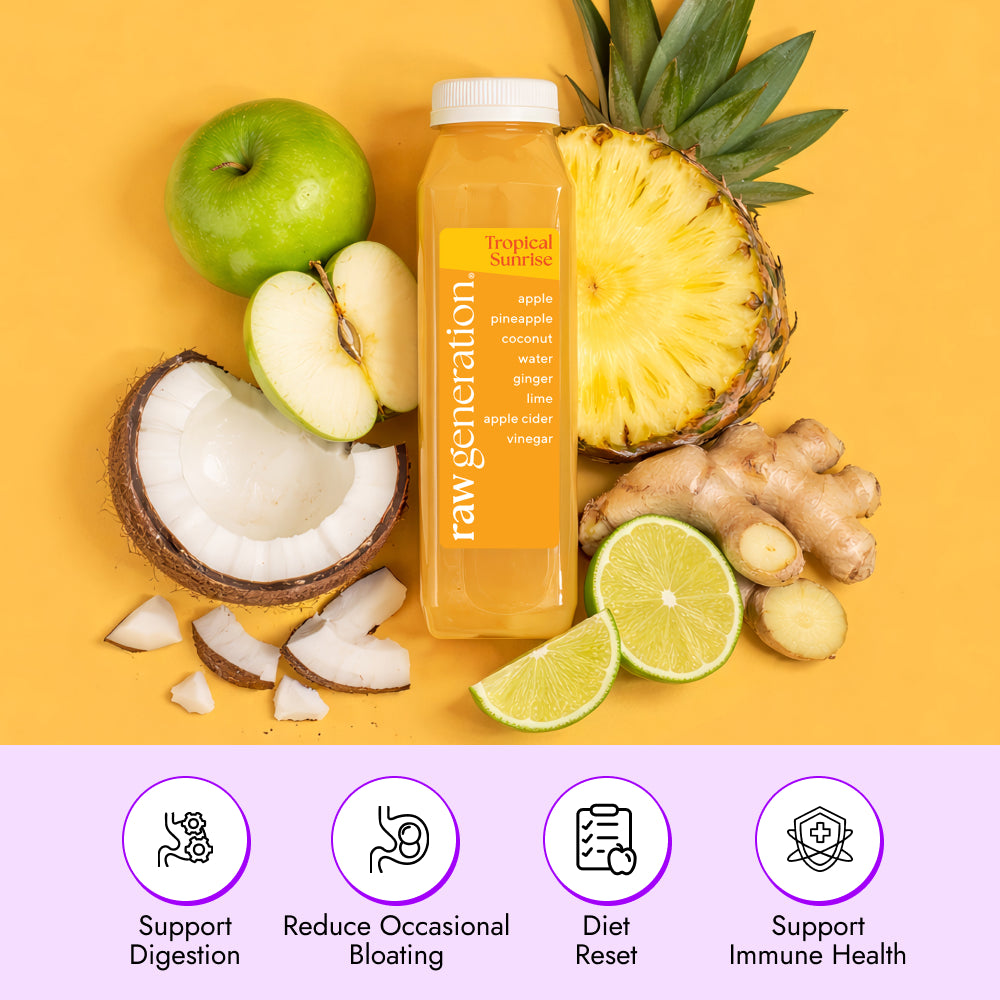
Credit: www.rawgeneration.com
Digestive Health Boost
Pineapples contain both fiber and bromelain, making them excellent for your gut. The fiber keeps digestion regular and prevents constipation. Bromelain breaks down proteins and can help your stomach process food more easily.
Here’s a comparison between pineapple and other fruits for digestive benefits:
| Fruit | Fiber (g per cup) | Digestive Enzymes |
|---|---|---|
| Pineapple | 2.3 | Bromelain |
| Papaya | 2.5 | Papain |
| Banana | 3.1 | None |
Many people overlook the importance of digestive enzymes in fruit. Bromelain not only helps with digestion but also reduces bloating and discomfort after meals.
Anti-inflammatory And Healing Properties
The bromelain in fresh pineapple can help reduce swelling and pain. It’s often used after surgery or injury because it speeds up healing. Bromelain has been studied for its ability to lower inflammation in arthritis and joint pain.
Pineapples also contain antioxidants, which protect cells from damage caused by stress or pollution. These antioxidants, combined with vitamin C, support faster recovery and healthier skin.

Credit: www.everydayhealth.com
Heart Health Advantages
Eating fresh pineapple may lower your risk of heart disease. The fiber helps control cholesterol, while antioxidants reduce the buildup of plaque in arteries. Manganese, another mineral found in pineapples, supports healthy heart function.
Consider this nutrient comparison for heart health:
| Nutrient | Pineapple | Apple | Orange |
|---|---|---|---|
| Vitamin C (mg) | 79 | 5 | 70 |
| Manganese (mg) | 1.5 | 0.1 | 0.03 |
| Fiber (g) | 2.3 | 3.0 | 3.1 |
Few people realize how important manganese is for heart health. Pineapples offer much more manganese than most common fruits.
Weight Management And Energy
Pineapples are low in calories but high in water and fiber. This makes them filling and helps control hunger. The natural sugars provide quick energy, but the fiber keeps you full longer.
Unlike processed snacks, fresh pineapple gives you energy without crashing blood sugar. It’s a smart choice for people watching their weight or needing a healthy pick-me-up.
How Freshness Makes A Difference
Fresh tropical pineapples, especially those harvested from volcanic soils, have richer flavor and higher nutrients than canned or old fruit. Importers like Prime Harvest FZE deliver pineapples at peak freshness, ensuring you get the full benefit.
Freshness affects both taste and health. Enzymes like bromelain break down quickly after harvest. Eating pineapples soon after picking maximizes their healing power and nutritional value.
Buying And Storing Tips
To get the most from your pineapple, choose fruit with a sweet aroma and firm skin. Avoid pineapples with soft spots or dry leaves. If you buy from a trusted supplier, like Prime Harvest FZE, you can be confident in freshness and quality.
Once ripe, eat pineapple within a few days. Store in the fridge if you’re not eating it right away. Cut pineapple can last up to five days refrigerated.
Non-obvious Insights
- Pineapple’s manganese content is unusually high for fruit, supporting bone and heart health.
- Bromelain is destroyed by cooking and canning, so only fresh pineapple offers its full benefit.
Frequently Asked Questions
Is Pineapple Good For Digestion?
Yes. Fresh pineapple contains both fiber and bromelain, which help break down proteins and keep your digestive system regular.
Can Eating Pineapple Boost Immunity?
Definitely. The high vitamin C and unique bromelain enzyme support your body’s ability to fight infections.
Is Pineapple Safe For Diabetics?
In moderation, yes. Pineapple has natural sugars, but the fiber slows sugar absorption. Diabetics should watch portion sizes.
How Can I Tell If A Pineapple Is Fresh?
Look for a sweet smell, firm skin, and green leaves. Avoid pineapples with brown spots or dry, wilted leaves.
Where Can I Find High-quality Tropical Pineapples In The Uae?
You can source premium, fresh pineapples directly from importers like Prime Harvest FZE, who bring produce from volcanic farms in Cameroon.
Fresh tropical pineapples are more than just a delicious fruit. They offer real health benefits, from supporting your immune system to improving digestion and heart health. By choosing fresh, high-quality pineapples—especially those sourced from rich volcanic soils—you get the best flavor and nutrition.
Make them a regular part of your diet and enjoy the natural vitality they deliver.
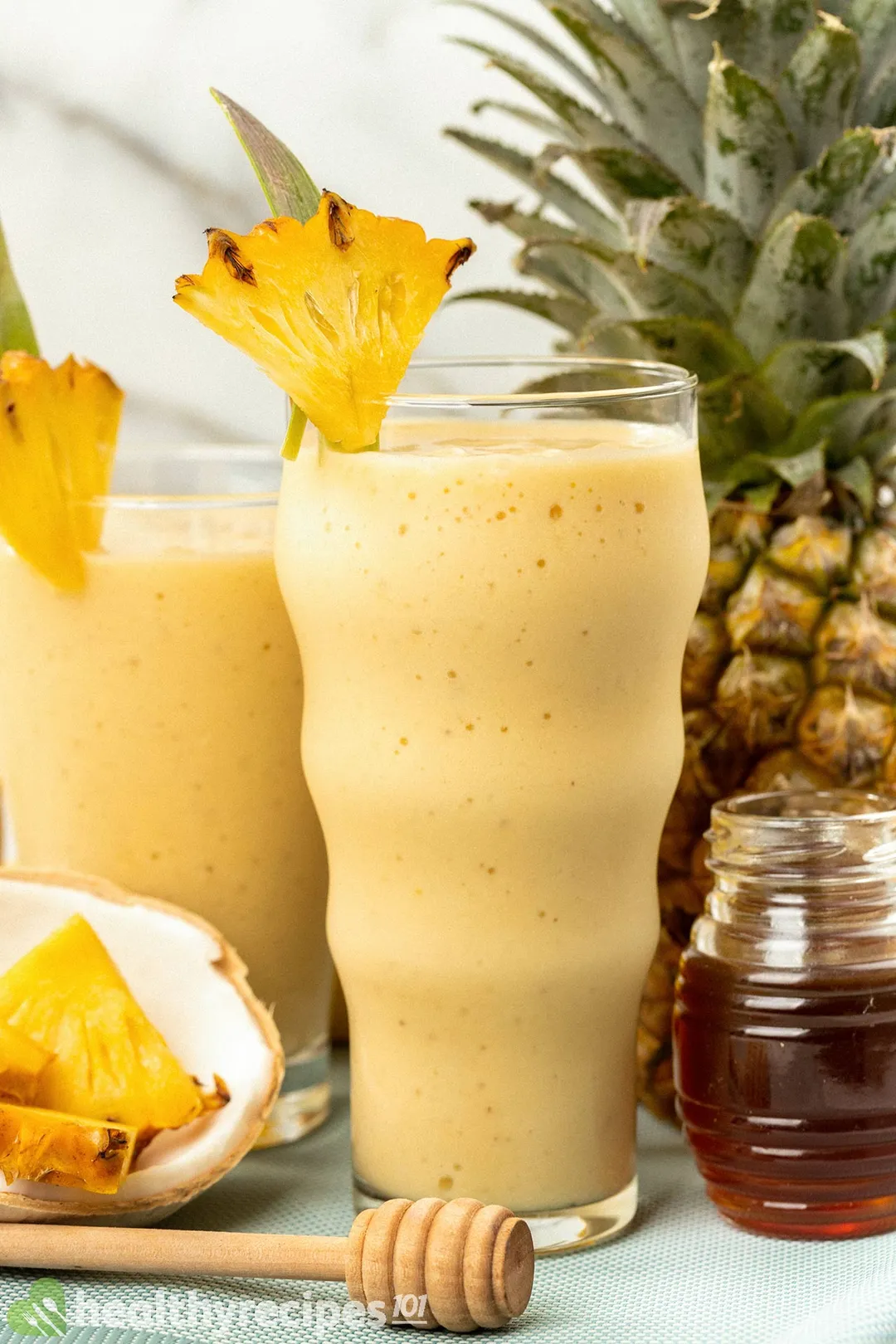
Credit: healthyrecipes101.com