
If you’re looking to manage your blood sugar without giving up on tasty, satisfying foods, Cameroonian sweet potatoes might just become your new favorite. These sweet potatoes aren’t just delicious—they have a low glycemic index, meaning they release sugar slowly into your bloodstream.
This can help keep your energy steady and your cravings in check. Whether you’re living with diabetes or simply want to maintain balanced blood sugar levels, understanding the unique benefits of Cameroonian sweet potatoes could make a real difference in your diet.
Keep reading to discover why these humble tubers deserve a spot on your plate—and how they can support your health in a natural, flavorful way.

Credit: en.wikipedia.org
Cameroonian Sweet Potatoes At A Glance
Cameroonian sweet potatoes stand out as a nutritious and healthy food choice. They have a low glycemic index, which means they release sugar slowly into the bloodstream. This quality makes them suitable for people managing blood sugar levels. These sweet potatoes are not just tasty but also rich in nutrients that support overall health.
Varieties And Characteristics
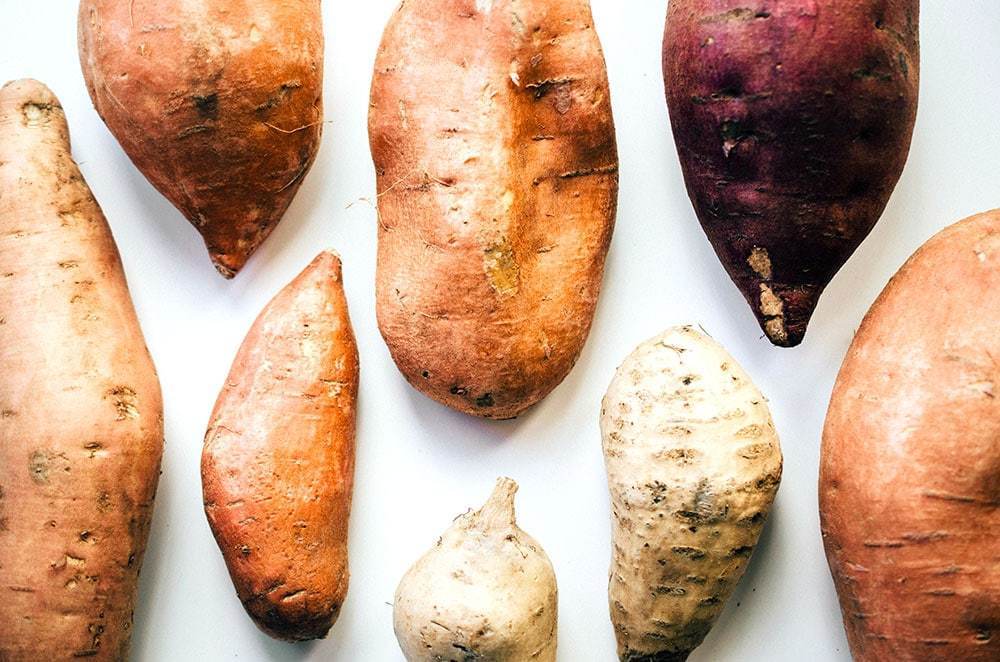
Cameroon produces several varieties of sweet potatoes. They range in color from orange to purple and white. The orange varieties are rich in beta-carotene, a form of vitamin A. Purple types have powerful antioxidants called anthocyanins. These sweet potatoes have a firm texture and a naturally sweet flavor. Their skin is usually thin and easy to peel.
Nutritional Composition
Cameroonian sweet potatoes offer many nutrients. They provide dietary fiber, which helps digestion and controls blood sugar. They contain complex carbohydrates that break down slowly. This slow digestion helps maintain steady energy levels. These sweet potatoes are also a good source of vitamins C and B6. Minerals like potassium and magnesium are present as well. These nutrients support heart health and muscle function.
Credit: swolverine.com
Glycemic Index And Sweet Potatoes
The glycemic index (GI) measures how fast foods raise blood sugar. Sweet potatoes are popular for their taste and nutrition. Their GI can vary widely depending on type and cooking. Cameroonian sweet potatoes often have a low GI, making them a good choice for steady energy.
Understanding the GI of sweet potatoes helps manage blood sugar levels. It also guides better food choices for people with diabetes or anyone seeking balanced meals.
What Is Glycemic Index?
The glycemic index ranks foods by how quickly they raise blood sugar. Foods with a low GI release glucose slowly. This helps avoid spikes in blood sugar. High GI foods cause quick sugar rises and crashes. GI ranges from 0 to 100, with pure glucose set at 100. Choosing low-GI foods supports energy stability and health.
Gi Values Of Different Sweet Potato Types
Sweet potato types vary in GI due to starch and fiber content. Cameroonian sweet potatoes tend to have a GI between 44 and 61. This is considered low to medium. Orange-fleshed sweet potatoes often have a higher GI, around 70. White and purple varieties usually fall in the low GI range. Local growing conditions also affect GI.
Impact Of Cooking Methods On Gi
Cooking changes sweet potato starch, affecting GI. Boiling keeps the GI lower, typically under 60. Baking or roasting increases the GI, sometimes above 70. Frying raises GI even more due to added fats and heat. Cooling boiled sweet potatoes lowers GI further by forming resistant starch. Cooking method choice matters for blood sugar control.
Low-glycemic Benefits Specific To Cameroonian Sweet Potatoes
Cameroonian sweet potatoes offer unique low-glycemic benefits that support stable blood sugar levels. Their composition helps slow digestion and reduce rapid sugar spikes. These qualities make them a smart choice for people managing their glucose levels.
Fiber Content And Blood Sugar Control
Cameroonian sweet potatoes are rich in dietary fiber. Fiber slows sugar absorption in the bloodstream. This helps prevent sharp rises in blood sugar after meals. High fiber content also promotes better digestion and longer feelings of fullness.
Magnesium And Other Key Nutrients
These sweet potatoes contain magnesium, a mineral vital for blood sugar regulation. Magnesium helps improve insulin sensitivity. They also provide vitamins A and C, which support overall health. The combination of nutrients enhances their low-glycemic effect.
Comparison With Other Starchy Foods
Compared to white potatoes and rice, Cameroonian sweet potatoes have a lower glycemic index. Their starch breaks down more slowly during digestion. This results in a gentler impact on blood sugar levels. Choosing them over higher-glycemic starches benefits people with diabetes or insulin resistance.

Credit: en.wikipedia.org
Cooking Techniques To Preserve Low Gi
Preserving the low glycemic index (GI) of Cameroonian sweet potatoes depends greatly on cooking methods. Different techniques affect how quickly sugars enter the bloodstream. Choosing the right method helps maintain steady blood sugar levels.
Proper cooking ensures these sweet potatoes remain a healthy choice. Simple methods can keep their natural benefits intact. Avoiding high-GI cooking styles is key for glycemic control.
Boiling And Steaming
Boiling and steaming are the best ways to keep sweet potatoes’ GI low. These methods cook the potatoes gently without breaking down too much starch. The starch stays intact, slowing sugar release.
Boiling in water or steaming keeps the texture soft but not mushy. This helps the body digest the potato slowly. These methods also preserve nutrients like fiber and vitamins.
Avoiding Roasting And Frying
Roasting and frying increase the GI of sweet potatoes. High heat breaks down starch more, making sugars absorb faster. Fried sweet potatoes absorb oil, adding calories and raising blood sugar spikes.
Roasting caramelizes sugars, raising the glycemic load. These methods make sweet potatoes less ideal for blood sugar management. Avoid roasting and frying to keep benefits strong.
Best Practices For Glycemic Control
Cut sweet potatoes into larger pieces before cooking. Larger chunks slow down starch digestion. Cool boiled or steamed sweet potatoes before eating; cooling forms resistant starch, lowering GI further.
Pair sweet potatoes with protein or healthy fats. This slows sugar absorption. Avoid adding sugar or syrup to keep the GI low. Simple preparation helps maintain their natural health benefits.
Sweet Potatoes And Diabetes Management
Sweet potatoes are a staple in Cameroonian diets and hold special value for people managing diabetes. Their unique properties contribute to stable blood sugar levels. The low glycemic index of Cameroonian sweet potatoes makes them a preferred option for diabetic diets. Understanding how they affect blood sugar is essential for effective diabetes management.
Role In Blood Sugar Regulation
Cameroonian sweet potatoes release sugar slowly into the bloodstream. This slow release prevents sudden spikes in blood sugar. The fiber content helps control glucose absorption. Magnesium in sweet potatoes also plays a role in improving insulin sensitivity. These factors together support balanced blood sugar levels.
Inclusion In Diabetic Diets
Many nutritionists recommend Cameroonian sweet potatoes for diabetic meal plans. They provide energy without causing rapid blood sugar increases. Boiling sweet potatoes keeps their glycemic index low. This cooking method makes them ideal for people with diabetes. Their natural sweetness replaces the need for added sugars.
Research Findings And Clinical Studies
Studies confirm the benefits of sweet potatoes in diabetes control. Clinical trials show improved blood sugar regulation after consuming sweet potatoes regularly. Research highlights the importance of cooking methods on glycemic response. Boiled Cameroonian sweet potatoes consistently show lower glycemic indexes than baked or fried ones. These findings support their role in diabetes-friendly diets.
Incorporating Cameroonian Sweet Potatoes Into Daily Meals
Incorporating Cameroonian sweet potatoes into daily meals offers a natural way to enjoy a nutritious, low-glycemic food. These sweet potatoes help maintain steady blood sugar levels. Their rich fiber content slows digestion and absorption of sugars. This quality makes them a smart choice for people managing diabetes or seeking balanced energy.
Cameroonian sweet potatoes fit well into many dishes. They bring a subtle sweetness and firm texture. Below are simple ideas to include them in traditional, modern, and snack recipes.
Traditional Recipes
Cameroonian cuisine uses sweet potatoes in many classic dishes. Boiled sweet potatoes often accompany spicy stews and grilled meats. They balance strong flavors and add natural sweetness. Sweet potatoes also appear in porridge made with coconut milk and spices. This dish is creamy and comforting, perfect for breakfast or dinner. Another staple is mashed sweet potatoes served with beans or vegetables. These recipes preserve the low-glycemic benefit while offering familiar tastes.
Modern Healthy Meal Ideas
Roasted Cameroonian sweet potatoes make a tasty side for salads or grain bowls. Cut them into cubes and roast with olive oil and herbs. Add them to wraps or sandwiches for extra fiber and flavor. Sweet potato noodles or spiralized sweet potatoes can replace traditional pasta. They work well with light sauces and fresh vegetables. For a quick meal, blend boiled sweet potatoes into soups or smoothies. These ideas keep meals fresh and healthy without much effort.
Snack Options For Blood Sugar Support
Sweet potato chips baked with minimal oil make a crunchy snack. Slice thin, season lightly, and bake until crisp. Roasted sweet potato wedges are another option. Pair them with hummus or yogurt dips. Sweet potato hummus blends cooked sweet potatoes with chickpeas for a creamy, nutrient-rich spread. Small sweet potato muffins or energy balls made with sweet potato puree offer portable snacks. These choices help manage blood sugar and satisfy hunger between meals.
Frequently Asked Questions
Is African Sweet Potato Good For Diabetics?
African sweet potatoes have a low glycemic index and high fiber, helping manage blood sugar levels for diabetics. Boiling lowers their glycemic impact further.
Which Sweet Potato Has The Lowest Glycemic Index?
The Cameroonian sweet potato has the lowest glycemic index. Boiling or steaming it helps maintain its low GI, benefiting blood sugar control.
What Is The Number One Snack To Lower Blood Sugar?
The number one snack to lower blood sugar is the boiled sweet potato. It has a low glycemic index and high fiber content.
Do Boiling Sweet Potatoes Lower The Glycemic Index?
Boiling sweet potatoes lowers their glycemic index compared to baking or frying. This results in a slower blood sugar rise.
Conclusion
Cameroonian sweet potatoes offer a natural way to manage blood sugar. Their low glycemic index means slower sugar release into the bloodstream. This helps avoid sudden sugar spikes after meals. Eating them boiled or steamed keeps their benefits intact. They also provide fiber and essential nutrients for overall health.
Including these sweet potatoes can support better energy and mood. A simple, tasty choice for those watching their blood sugar. Try adding them to your meals regularly for steady, balanced nutrition.