When you choose products sourced sustainably, you’re not just making a smart choice—you’re helping shape a better future for farmers and their communities. Prime Harvest is leading the way by supporting Cameroonian farmers through sustainable sourcing practices.
But what does that really mean for you and for those farmers who work hard every day to grow the food we enjoy? You’ll discover how Prime Harvest’s approach empowers farmers, protects the environment, and ensures the quality and fairness you expect.
Keep reading to find out how your choices can make a real difference in Cameroon’s agricultural landscape.
Cameroon’s Farming Landscape
Cameroon’s farming landscape is rich and diverse. It plays a vital role in the country’s economy and the lives of millions. Farmers here grow many crops that feed local communities and support exports. Agriculture shapes daily life for rural families across the nation.
The land offers fertile soil and a climate that supports a variety of crops. Smallholder farmers use traditional methods passed down through generations. Despite challenges, they work hard to maintain their farms and livelihoods.
Key Crops And Exports
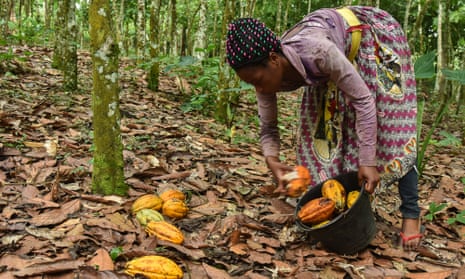
Cameroon produces several important crops. Cocoa is a major export and earns significant revenue. Coffee, cotton, and palm oil also rank high in exports. Food crops like maize, cassava, and plantains feed many households. These crops support both local markets and international trade.
Traditional Farming Practices
Many Cameroonian farmers use age-old techniques. They rely on manual tools and natural fertilizers. Crop rotation and intercropping help maintain soil health. Farmers harvest by hand and store crops carefully for sale. These methods reflect deep knowledge of the land and seasons.
Challenges Facing Farmers
Farmers face many hurdles every day. Climate change causes unpredictable weather and droughts. Limited access to modern tools slows productivity. Poor roads and markets reduce chances to sell crops. Lack of financing keeps farmers from expanding. These challenges threaten the future of farming in Cameroon.
Prime Harvest’s Role In Sustainability
Prime Harvest plays a vital role in promoting sustainability in Cameroon’s agricultural sector. The company focuses on ethical practices that benefit both the environment and local farmers. Its efforts create a positive impact on farming communities and help preserve natural resources for future generations.
Commitment To Ethical Sourcing
Prime Harvest ensures all products come from responsible sources. The company follows strict guidelines to avoid harmful practices. It works only with suppliers who respect labor rights and environmental standards. This approach guarantees that farming is fair and sustainable.
Support For Smallholder Farmers
Smallholder farmers receive training and financial support from Prime Harvest. The company helps them improve crop quality and yields. It offers access to better tools and seeds. This support empowers farmers to increase their incomes and build stronger communities.
Investment In Sustainable Techniques
Prime Harvest invests in farming methods that protect the soil and water. It promotes organic fertilizers and crop rotation to maintain soil health. The company encourages water-saving irrigation systems to reduce waste. These techniques help farmers grow food while preserving the environment.
Sustainable Farming Methods Used
Prime Harvest uses sustainable farming methods to help Cameroonian farmers grow crops responsibly. These methods protect the environment and improve farm yields. Farmers learn new techniques that keep the land healthy and productive for future generations.
Soil Health And Fertilizer Innovations
Prime Harvest encourages farmers to maintain soil health by using natural fertilizers. These include compost made from farm waste and organic matter. This approach reduces the need for chemical fertilizers that can harm the soil. Healthy soil holds water better and supports stronger crops. Farmers also practice crop rotation to avoid soil depletion. These innovations keep the land fertile and boost long-term productivity.
Water Conservation Practices
Water is precious for farming in Cameroon. Prime Harvest teaches farmers to save water through efficient irrigation methods. Drip irrigation delivers water directly to plant roots, reducing waste. Mulching helps retain moisture in the soil for longer. Farmers also collect rainwater to use during dry seasons. These water-saving practices help crops survive droughts and reduce the strain on local water sources.
Agroforestry And Crop Diversity
Prime Harvest supports agroforestry, where trees grow alongside crops. Trees provide shade, improve soil quality, and protect against wind erosion. They also create a habitat for beneficial insects and birds. Crop diversity is another key practice. Farmers plant different crops together to reduce pests and disease. This mix of plants strengthens farm resilience and improves food security. Agroforestry and crop diversity make farming more sustainable and profitable for communities.
Credit: rowdyandarchie.com
Economic Impact On Cameroonian Farmers
Prime Harvest’s sustainable sourcing strategy creates real economic benefits for Cameroonian farmers. It helps improve their livelihoods by providing steady income and better farming opportunities. This support strengthens local communities and encourages sustainable farming practices.
Increasing Farmer Incomes
Prime Harvest buys crops directly from farmers at fair prices. This reduces the need for middlemen and ensures farmers keep more of their earnings. Higher incomes allow farmers to invest in better tools and education for their families.
Access To Markets And Fair Trade
Prime Harvest connects farmers to international markets. This access guarantees fair trade conditions and stable demand for their products. Farmers gain confidence knowing they have reliable buyers for their harvests.
Reducing Farming Costs
Prime Harvest offers resources like seeds, fertilizers, and training at low or no cost. These inputs help farmers lower their expenses and increase crop yields. Reduced costs make farming more profitable and sustainable over time.
Community Empowerment Initiatives
Prime Harvest believes strong communities make farming successful. Its community empowerment initiatives focus on improving lives and farming skills. These efforts help farmers grow better crops and earn more income. Empowered farmers can sustain their families and protect the environment.
Training And Education Programs
Prime Harvest offers training to teach modern farming methods. Farmers learn about soil care, pest control, and crop rotation. These programs improve crop quality and increase yields. Farmers gain skills to adapt to climate changes and market demands. Education also covers financial management and business planning.
Women’s Role In Agriculture
Prime Harvest supports women farmers as key contributors to agriculture. Women receive special training and resources to boost productivity. The company promotes gender equality in farming communities. Empowered women improve family nutrition and community wellbeing. Their involvement leads to more sustainable and diverse farming practices.
Building Local Infrastructure
Prime Harvest invests in local infrastructure to support farming activities. Projects include storage facilities, irrigation systems, and access roads. Improved infrastructure reduces crop loss and increases market access. Farmers spend less time on transport and more on farming. This support helps create a stronger agricultural economy in Cameroon.
Credit: www.theguardian.com
Environmental Benefits Of Sustainable Sourcing
Sustainable sourcing brings many environmental benefits. It helps protect nature while supporting farmers. Prime Harvest works closely with Cameroonian farmers to ensure eco-friendly practices. These efforts reduce harm to forests, wildlife, and the climate. The focus lies on long-term health for the land and people.
Reducing Deforestation
Prime Harvest encourages farming methods that avoid clearing forests. Trees remain standing, preserving vital habitats and soil quality. This practice lowers the risk of soil erosion and flooding. Protecting forests also keeps water sources clean for communities and wildlife. Reduced deforestation helps maintain natural balance and climate stability.
Promoting Biodiversity
Supporting diverse crops grows stronger ecosystems on farms. Prime Harvest helps farmers plant native species alongside cash crops. This variety attracts beneficial insects and animals, improving pollination and pest control. Healthy biodiversity boosts soil fertility and crop resilience. Farms become more productive and less dependent on chemicals.
Lowering Carbon Footprint
Prime Harvest advocates for farming techniques that emit less carbon. Using organic fertilizers and minimizing machinery reduces greenhouse gases. Sustainable sourcing also cuts transportation distances by supporting local farmers. These steps help slow climate change and protect future harvests. Lower carbon footprints mean healthier air and safer communities.
Future Prospects And Expansion
Prime Harvest plans to expand its support for Cameroonian farmers with a strong focus on sustainability. The goal is to improve farming methods and increase productivity while protecting the environment. Growth will come from scaling existing practices, introducing new technologies, and building strong partnerships. These steps aim to create lasting benefits for farmers and their communities.
Scaling Sustainable Practices
Prime Harvest works closely with farmers to teach sustainable farming methods. These include crop rotation, organic fertilizers, and water conservation. The company aims to reach more farmers across Cameroon. Training programs will be expanded to new regions. This helps farmers grow healthier crops and improve soil quality. By scaling these practices, Prime Harvest supports long-term food security.
Innovations In Farming Technology
New farming tools can help farmers work smarter, not harder. Prime Harvest plans to introduce affordable technology to small-scale farms. Tools like soil sensors and mobile apps provide real-time data about crop health. This allows farmers to make better decisions. Solar-powered irrigation systems will also be promoted. These innovations reduce waste and boost yields while saving resources.
Collaborations And Partnerships
Working with local organizations and governments strengthens Prime Harvest’s impact. The company builds partnerships that provide farmers with training, finance, and market access. Collaborations with agricultural research centers help develop new crop varieties. These partnerships improve resilience to climate change and pests. By joining forces, Prime Harvest and its partners can support more farmers and build a sustainable farming future.
Credit: ericjavits.com
Frequently Asked Questions
What Kind Of Farming Is Practiced In Cameroon?
Cameroon practices mixed farming, including crop cultivation and livestock rearing. Key crops include cocoa, coffee, cotton, maize, and cassava. Smallholder farms dominate, focusing on subsistence and cash crops. Sustainable and agroforestry methods increasingly support soil health and productivity in Cameroon’s agriculture sector.
Which Country Is 100% Organic?
Bhutan is recognized as the first 100% organic country. It bans synthetic chemicals and promotes sustainable farming nationwide.
How Does Sustainable Farming Benefit Farmers?
Sustainable farming improves soil health, reduces costs, and increases crop resilience. It boosts farmers’ income and protects the environment.
What Can Be Done To Improve The Development Of Agricultural Productivity And Production In Cameroon?
Improve Cameroon’s agricultural productivity by investing in infrastructure, promoting sustainable farming, enhancing farmer education, and increasing access to quality inputs. Support policies that empower farmers and encourage innovation to boost production efficiently and sustainably.
Conclusion
Prime Harvest helps Cameroonian farmers grow crops sustainably. They provide tools and training to improve farming methods. This support leads to healthier soil and better harvests. Farmers earn more and protect the environment. Sustainable sourcing benefits the community and future generations.
Prime Harvest’s efforts show how farming and nature can work together. This approach builds a stronger, greener future for Cameroon’s farmers.